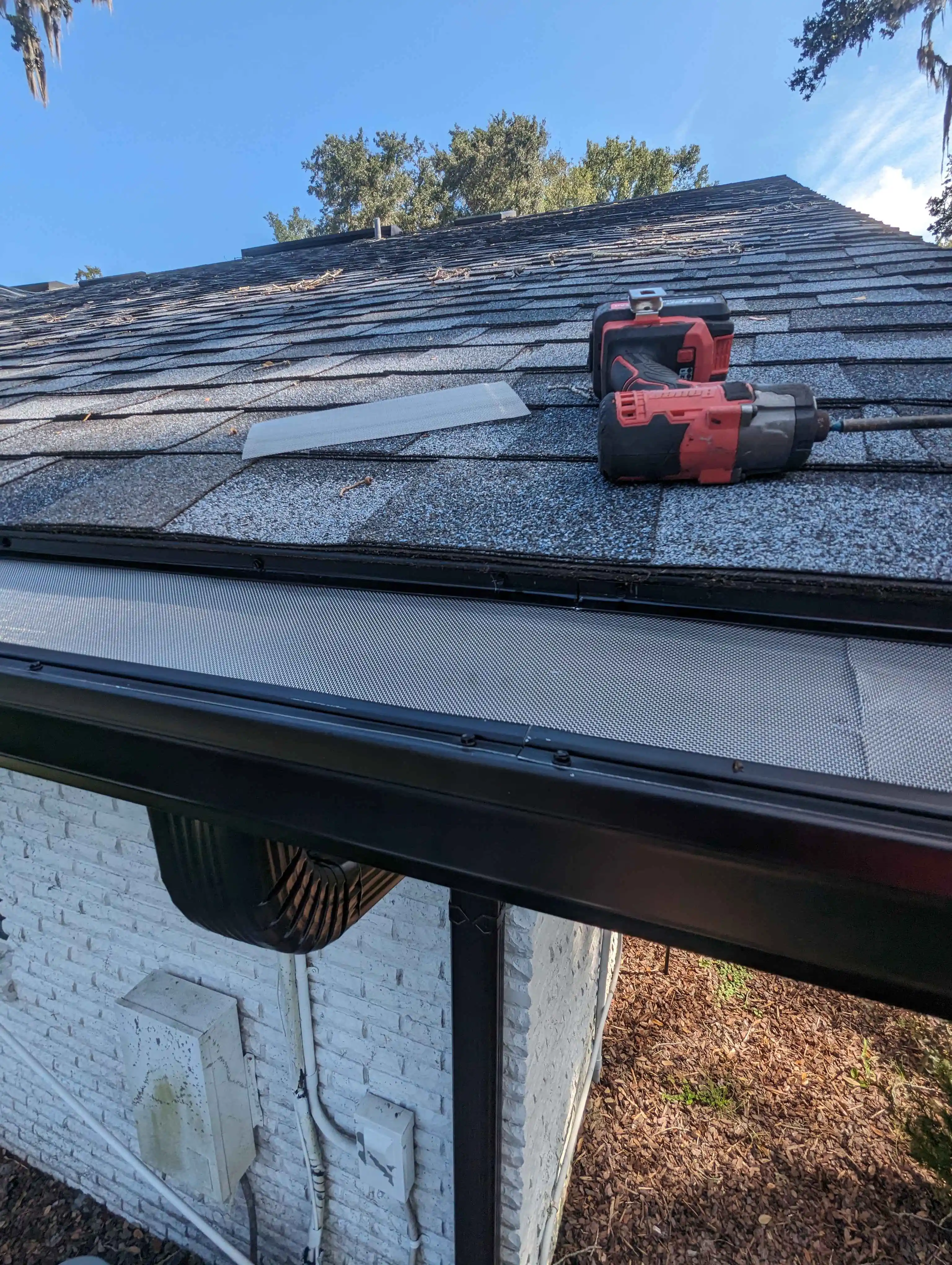
Gutter Guard Installation
At Clean Gutter Palm Coast, we understand the importance of keeping your gutters free from debris to ensure proper water flow and protect your home from potential water damage. Our Gutter Guard Installation service is designed to provide you with a reliable solution that reduces the need for frequent cleaning and maintenance. We use high-quality, durable materials that effectively block leaves, twigs, and other debris while allowing water to flow freely through your gutters. Our experienced team will assess your home’s specific needs and install gutter guards tailored to fit your existing system perfectly. With our professional installation, you can enjoy peace of mind knowing that your gutters are protected, ensuring the longevity of your home’s foundation and landscaping. Trust Clean Gutter Palm Coast for a cleaner, safer, and more efficient gutter system!
Cost Factors for Gutter Guard Installation
Several elements can influence the overall cost of gutter guard installation. The choice of materials plays a significant role; options range from inexpensive plastic systems to premium metal varieties. Additionally, the size and complexity of the home’s gutter system can affect pricing. Homes with multiple levels or intricate rooflines may require more labor and specialized tools, adding to the expenses.
Labor costs also vary based on geographic location and the contractor's expertise. In some areas, installation fees may be higher due to increases in demand for quality service. Homeowners should consider obtaining multiple quotes to ensure they receive a fair price. Planning for potential additional costs, such as repairs to existing gutters or modifications to accommodate new guards, is essential.
Budgeting for Materials and Labor
When planning for gutter guard installation, it is essential to assess both material and labor costs thoroughly. Initially, the type of material selected significantly impacts the overall budget. Options range from basic plastic guards to more durable metals, each with varying price points. Additionally, the size and length of the gutters will dictate how much material is needed, further influencing the final cost.
Labor expenses can also vary widely based on complexity and the choice of professional installers versus a DIY approach. Professional installation typically ensures a higher level of expertise, which can minimize future issues. If opting for installation by oneself, potential savings must be weighed against the risks of improper installation that may lead to increased maintenance costs down the road. Planning should accommodate unexpected expenses that may arise during the process.
How to Choose the Right Gutter Guard
Selecting the appropriate gutter guard requires careful evaluation of various options available in the market. Different types of materials, such as aluminum, plastic, or stainless steel, provide distinct advantages and challenges. Aluminum guards, for instance, are lightweight and resistant to rust, while stainless steel models promise enhanced durability. Additionally, the filtration type is also essential, with mesh and foam options catering to diverse debris types. Homeowners should also consider their specific environment and the types of leaves or debris prevalent in their area, as these factors significantly influence the effectiveness of the gutter guard chosen.
It’s crucial to balance cost with quality when making a choice. High-quality gutter guards may seem more expensive upfront but can save money in the long run by reducing maintenance and potential damage caused by clogged gutters. Look for products with warranties that reflect the manufacturer’s confidence in their performance. Customer reviews and ratings can provide insight into longevity and effectiveness. Taking time to research and understand the features of each product can lead to informed decisions that enhance the durability and efficiency of gutter systems over the years.
Key Features to Consider Before Buying
When selecting a gutter guard, the material type plays a crucial role in its performance and durability. Options range from mesh screens to solid covers, each offering distinct benefits and drawbacks. Stainless steel guards resist rust and corrosion, while plastic models are lightweight and often more affordable. Consider climate conditions and how debris-heavy your area is, as these factors may influence which material will last longest and require the least maintenance.
Another important feature to keep in mind is the mesh size of the gutter guard. Smaller mesh may prevent more debris from entering the gutter but can also restrict water flow, leading to overflow issues during heavy rain. Conversely, larger mesh can allow more debris through, potentially requiring more frequent cleaning. Evaluate the specific needs of your home and environment to find a balance between effective drainage and debris protection.
Common Installation Mistakes
One frequent error during gutter guard installation is failing to measure the gutters accurately. Proper measurements are essential for ensuring a snug fit, preventing gaps that can lead to debris buildup and water overflow. Many DIY enthusiasts underestimate the importance of taking precise dimensions, which can result in guards that are either too small or too large. This oversight can complicate the installation process and negate the benefits of using gutter guards in the first place.
Another common mistake involves neglecting to clean the gutters before installing the guards. A buildup of leaves, dirt, and other debris can hinder the effectiveness of the gutter guards. If the gutters are not thoroughly cleaned, this debris will remain trapped under the guards, creating clogs that restrict water flow. Skipping this crucial step often results in more frequent maintenance and potentially higher costs down the line.
Avoiding Pitfalls for a Successful Install
Many homeowners underestimate the importance of proper measurement before installation. Incorrect dimensions may lead to gaps or a poor fit, allowing debris to enter the gutters easily. Using quality tools for cutting and securing gutter guards can save time and frustration. Taking the time to ensure that every section aligns correctly prevents additional costs from potential rework.
Failing to clean out existing gutters prior to installation can create further issues. Debris left in the gutters may obstruct the water flow, leading to overflows and potential damage to the home. A thorough cleaning will also allow for a better view of any repairs needed before the new guards are installed. This step sets a strong foundation for maintaining the integrity of the home’s gutter system long-term.
FAQS
What are the typical costs associated with gutter guard installation?
The typical costs for gutter guard installation can vary based on materials, labor, and the size of your gutters. On average, homeowners can expect to spend anywhere from $7 to $12 per linear foot for materials, plus additional labor costs.
How can I budget for materials and labor when installing gutter guards?
To budget for materials and labor, first measure the length of your gutters to determine how many linear feet of gutter guard you will need. Then, research the costs of different types of gutter guards and get quotes from local installation professionals for labor costs.
What should I consider when choosing the right gutter guard?
When choosing the right gutter guard, consider factors such as the type of debris in your area, the material and design of the gutter guard, ease of installation, warranty, and maintenance requirements.
What are some key features to look for in a quality gutter guard?
Key features to look for include durability (material quality), effective debris filtration, ease of cleaning, compatibility with your existing gutters, and a good warranty or satisfaction guarantee.
What are the most common installation mistakes to avoid?
Common installation mistakes include improper measurement of gutters, failing to secure the gutter guard correctly, overlooking the slope of the roof, and neglecting to check for proper water flow and drainage. Taking time to plan and double-check your work can help you avoid these pitfalls.