How are downspouts installed?
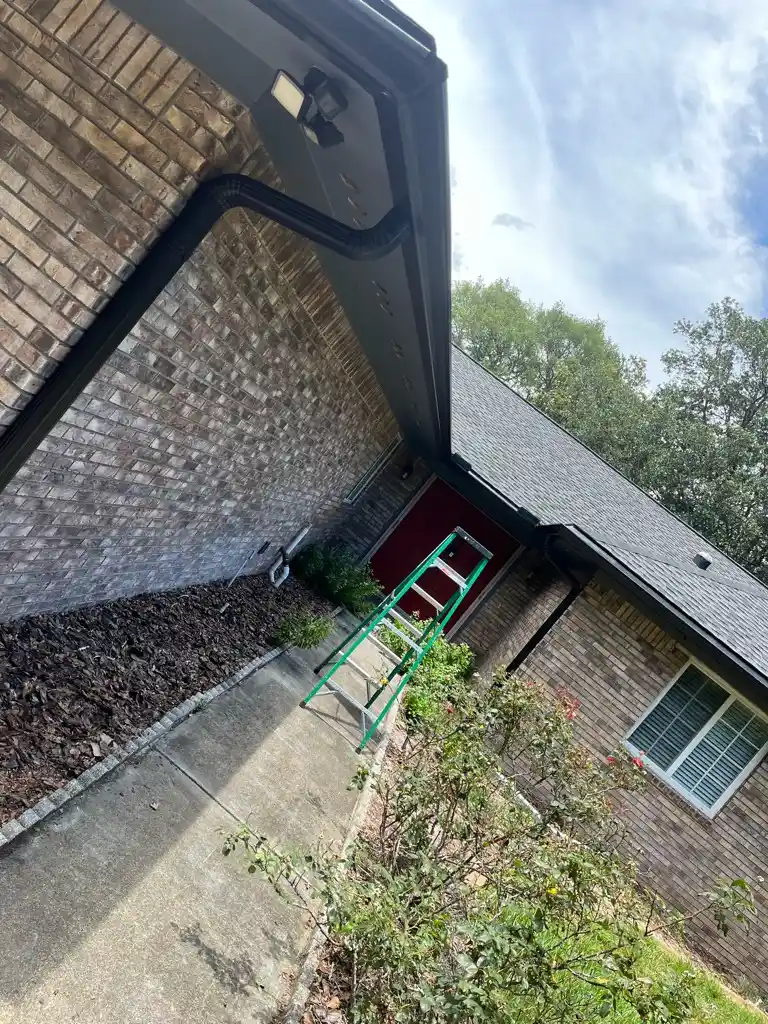
Cutting Downspouts to Size
When preparing for downspout installation, accurately measuring the required length of the downspouts is a critical first step. Start by determining the height from the bottom of the gutters to the point where the downspouts will discharge water away from the foundation. Use a measuring tape to get an exact measurement, ensuring you account for any slope or angle that the downspouts may need to conform to.
Once you have your measurements, it's essential to mark the lengths on the downspouts before cutting. A fine-tip permanent marker or chalk works well for this task. Using a hacksaw or tin snips, carefully cut the downspouts to size, maintaining straight and even lines to ensure a clean fit later. Properly sized downspouts improve water flow and functionality, making this step vital in the overall success of the downspout installation process.
Techniques for Accurate Measurements
Accurate measurements are crucial for successful downspout installation. To begin, gather the right tools such as a measuring tape and a level. Measure the distance from the bottom of the gutter to the ground level, taking care to account for any slope that might affect the flow of water. It is important to double-check these measurements to ensure that everything aligns properly. Even small errors can lead to significant problems during installation.
Once the initial measurements are taken, it's beneficial to mark key locations directly on the downspout. Doing this helps visualize where bends or cuts will occur in the downspout installation process. Consider using a pencil or chalk to make clear marks, ensuring they remain visible throughout the installation. Accurate markings will allow for precise cuts and prevent any unnecessary adjustments later on, ultimately contributing to a smoother installation experience.
Attaching Downspouts to Gutters
Attaching downspouts to gutters is a crucial step in downspout installation. Begin by ensuring that the downspout fits properly with the gutter outlet, which may require some adjustments. Position the downspout so that it aligns with the existing gutter. It’s essential to choose the right connectors, which can vary based on the downspout size and gutter type. Incorporating sealant or caulk around the connection can enhance water tightness, preventing leaks during heavy rainfall.
Once the downspout is positioned correctly, secure it in place. Use screws or brackets specifically designed for downspouts, as these will provide the necessary support. Ensure the fasteners are tight to eliminate any movement. This connection must withstand pressure from rainwater flowing through the gutter system. Proper attachment is vital for the overall effectiveness of the downspout, contributing to efficient water drainage away from the foundation.
Step-by-Step Connection Process
To begin the downspout installation process, first ensure that the downspout properly aligns with the gutter outlet. Position the downspout at an angle that allows for optimal water flow. Secure the downspout in place using brackets or straps. This connection is critical to prevent any dislodging during heavy rainfalls. It is essential to check the alignment regularly during installation to maintain a seamless connection.
Next, use screws to fasten the downspout to the gutter outlet securely. Pre-drilling holes can facilitate easier installation and improve accuracy. Once the screws are in place, ensure that the connection is both watertight and secure. Avoid any gaps that may allow water to escape, as this can lead to potential damage. After completion, inspect the entire assembly to verify that every part is in its correct position, ensuring the efficacy of the downspout installation.
Securing Downspouts to the Ground
Securing downspouts to the ground is vital for proper drainage and to prevent them from swaying or detaching due to wind or water flow. Using brackets or straps specifically designed for downspout installation can help create a sturdy connection to the surface. Position these supports at the base of the downspout and along its length, ensuring that they are evenly spaced and securely attached. This will not only provide stability but also help maintain an aesthetic appearance by keeping the downspout aligned with the building's features.
In addition to brackets, options like concrete anchors or stakes can further enhance stability, especially in areas prone to heavy rainfall or storms. For aesthetics, consider using decorative covers or paint that matches the home’s exterior. Ensure that the chosen method offers both practicality and visual appeal. Proper downspout installation contributes significantly to the overall effectiveness of a home’s drainage system while reducing the risk of future maintenance issues.
Methods for Stability and Support
To ensure proper stability during downspout installation, it is essential to use brackets or straps to secure the downspouts to the wall of the house. These attachments help prevent any movement caused by wind or water flow. Typically, metal or plastic brackets are spaced evenly along the height of the downspout for optimal support. Proper installation of these elements eliminates the risk of the downspout detaching from the structure over time.
In addition to wall brackets, using a stabilizing collar at the base of the downspout can provide extra support. This collar fits snugly around the bottom section and helps anchor the downspout to the ground. Installing a small gravel base beneath the downspout also improves stability while allowing proper drainage. Both methods contribute to a longer lifespan for the downspout and enhanced performance during heavy rainstorms.
FAQS
What tools do I need to install downspouts?
To install downspouts, you will typically need a measuring tape, a hacksaw or tin snips, a drill with appropriate bits, screws or rivets, and brackets for attaching the downspouts securely.
How do I know what size downspout to use?
The size of the downspout you need depends on the size of your gutters and the amount of rainfall in your area. A general rule is to use 2x3-inch downspouts for residential gutters and 3x4-inch for larger systems.
Can I install downspouts myself, or should I hire a professional?
Installing downspouts can be a DIY project if you have basic tools and skills. However, if you’re unsure about measurements or the installation process, hiring a professional may ensure better results.
What is the best method for securing downspouts to the ground?
The best methods for securing downspouts to the ground include using stakes, brackets, or concrete footings, depending on the stability needed and the soil conditions.
Do downspouts require maintenance after installation?
Yes, downspouts should be regularly checked and cleaned to ensure they are free of debris and clogs, which can affect their performance and the efficiency of your gutter system.