How do you repair guttering?
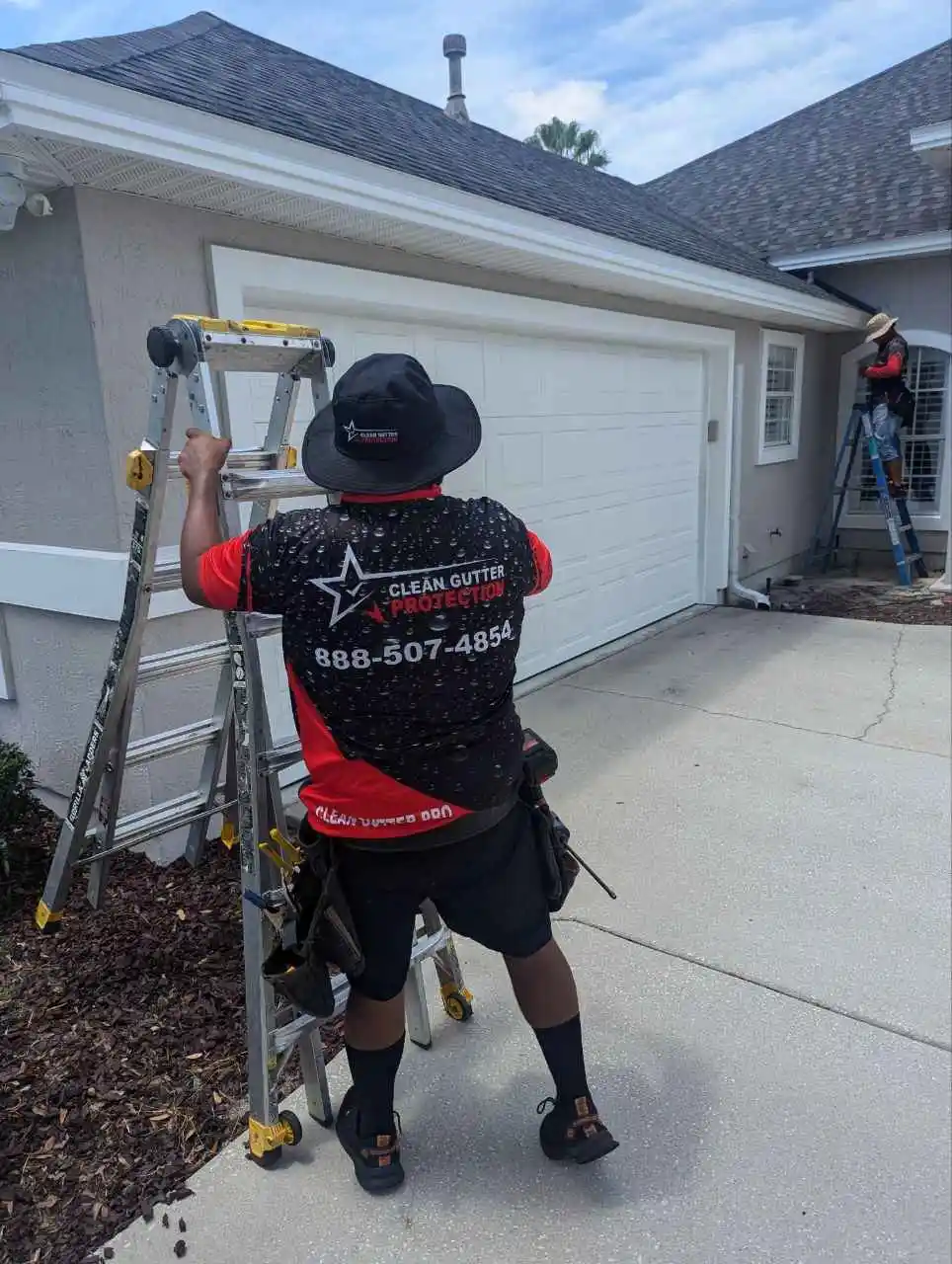
Securing Loose Gutters
Loose gutters can lead to significant water damage if not addressed promptly. The first step in securing them is to check the gutter brackets and supports. Over time, these can become loose or corroded, allowing the gutter to sag or pull away from the house. Tightening the screws and replacing any damaged brackets can restore stability. In cases where the original hardware is inadequate, consider upgrading to more robust options designed to hold the gutters securely.
For gutters that have shifted but are still structurally sound, a simple gutter repair might involve using a level to ensure that they maintain the correct pitch for optimal water flow. If the gutter system is improperly pitched, rainwater may pool and cause leaks. Adjusting the angle of the gutters by repositioning the brackets can help facilitate proper drainage. This proactive maintenance will enhance the longevity of your gutter system and mitigate the risks associated with water damage.
Methods for Reinforcing Gutter Stability
Reinforcing the stability of gutters can significantly extend their lifespan and maintain their functionality. One effective method involves adding additional hangers or brackets to support the guttering more securely. These hangers should be placed at regular intervals, ensuring even weight distribution across the entire length of the gutter. This approach not only reduces sagging but also helps prevent potential leaks that often occur when gutters are not supported adequately.
Another important aspect of gutter repair is the use of sealants on joints and seams. Over time, these areas may develop rust or wear, leading to leaks. Applying a high-quality waterproof sealant can effectively address this issue. It creates a barrier against water infiltration and minimizes the risk of deterioration. Regular inspections to identify weak points, followed by timely reinforcements, will ensure that gutters function effectively, safeguarding the property from water damage.
Addressing Clogged Downspouts
Clogged downspouts can lead to serious issues, including water damage to your home's foundation. To address this problem, begin by examining the downspouts for any visible obstructions. Leaves, twigs, and debris often accumulate, causing water to back up. Using a plumbing snake or a high-pressure nozzle can help clear these blockages. Regular maintenance is key to preventing future clogs, so consider setting a schedule for inspections after heavy rainfall or during seasonal changes.
If cleaning the downspouts doesn't solve the issue, it may indicate a more significant problem requiring gutter repair. Check for bends or kinks in the downspouts that could hinder water flow. Straightening out any obstructions or replacing damaged sections will ensure that water drains properly. In some cases, installing new downspouts that are wider may improve water flow, thus minimizing the risk of clogs in the future.
Clearing Blockages from Downspouts
Downspouts can easily become clogged with leaves, dirt, and other debris. When this happens, water cannot flow freely away from the roof and can back up into the gutters. This can lead to a variety of issues, including water damage to your home’s foundation or siding. Regular inspection and maintenance are crucial to ensure that downspouts remain clear. For a thorough Gutter Repair, it's important to remove any visible debris prior to flushing the downspouts with water.
To clear blockages from downspouts effectively, you may need tools such as a plumber's snake or a garden hose. Inserting the snake can help dislodge stubborn clogs, while a garden hose can flush away smaller blockages. If the blockage persists, consider detaching the downspout for a more comprehensive cleaning. This process allows for a complete inspection and possible repair in case of any damage. Properly maintaining clear downspouts contributes significantly to the overall health of your gutter system.
Ensuring Proper Drainage
Proper drainage is crucial for the longevity of your gutter system. If gutters are not pitched correctly, water may pool in certain areas, leading to wear and tear. Regularly evaluate the slopes of your gutters to ensure they guide water towards the downspouts. A general rule is to aim for a slope of about a quarter inch for every ten feet of gutter run. Even slight adjustments can make a significant difference in water flow efficiency.
During gutter repair, it's essential to inspect the hangers and brackets holding your gutters in place. Loose or failing fasteners can also disrupt pitch, causing uneven water flow and potential damage. Securing these components effectively will maintain the right angle for drainage. Catching these issues early can save time and expense in the long run, ensuring your system works effectively in all weather conditions.
Evaluating and Adjusting Gutter Pitch
Proper gutter pitch is essential for effective water drainage. If gutters are installed too flat or with an improper angle, water can pool, leading to overflow issues and potential damage. To evaluate pitch, use a level or a string line against the gutter to determine if it slopes toward the downspouts. The ideal pitch is generally a quarter inch per ten feet of gutter.
Adjusting the pitch may require repositioning the hangers or brackets that hold the gutters in place. In some cases, adding additional brackets can help create the necessary slope. Careful measurements will ensure that gutters function properly, facilitating smooth water flow and reducing the need for future gutter repair. Regular assessments and adjustments can prevent costly repairs down the line and keep the exterior of a home protected from water-related issues.
FAQS
What are the first steps to take when repairing loose gutters?
Begin by inspecting the gutters for any visible damage or loose sections. Secure loose gutters by tightening the screws or brackets. If they are damaged, consider replacing the affected sections.
How can I reinforce the stability of my gutters?
To reinforce gutter stability, use gutter hangers or brackets to secure them more firmly to the fascia board. Additionally, consider adding extra hangers for longer gutter runs to prevent sagging.
What should I do if my downspouts are clogged?
If you suspect a clog in your downspouts, start by removing any visible debris at the top. If that doesn’t work, use a plumber's snake or a garden hose to push through the blockage or flush it out.
How can I ensure proper drainage in my gutters?
To ensure proper drainage, regularly check and clean your gutters and downspouts. Additionally, evaluate the pitch of your gutters to make sure they slope correctly towards the downspouts, allowing water to flow freely.
How often should I inspect and clean my gutters?
It's recommended to inspect and clean your gutters at least twice a year, typically in the spring and fall. However, if you have overhanging trees, you may need to clean them more frequently to prevent clogs.