How much does it cost to replace gutters around a house?
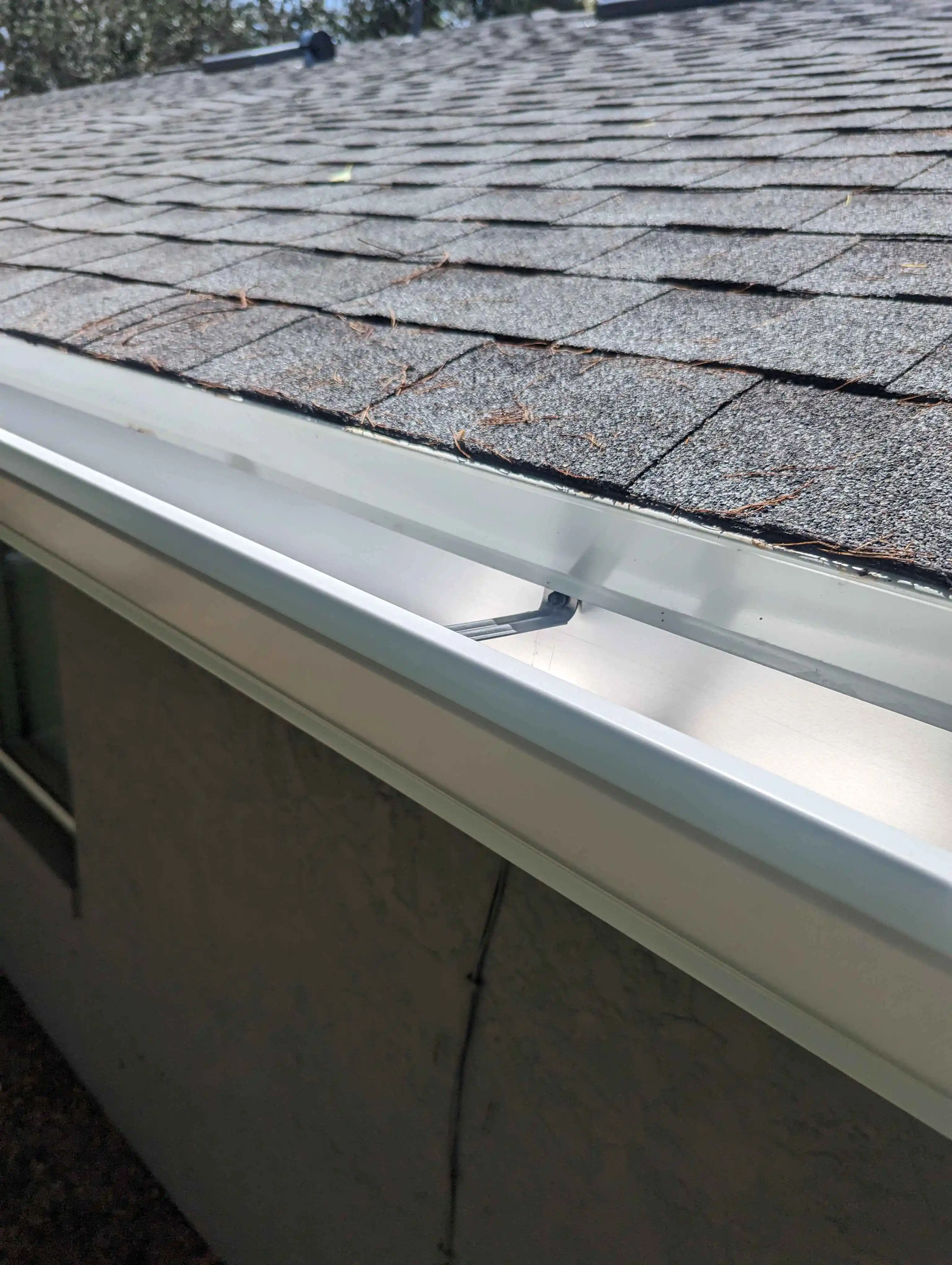
Measuring Your Home for Gutter Replacement
Measuring your home accurately is crucial for a successful gutter replacement. Start by assessing the roofline to determine the total perimeter of the area where the gutters will be installed. Use a tape measure to obtain precise measurements, ensuring you account for any peaks or valleys in your roof. It’s advisable to measure each section individually, as this will help you calculate the amount of material needed more effectively.
After gathering the measurements, you should evaluate the type of gutters best suited for your home. Different styles and materials may require varying lengths and fittings, which can influence the overall cost of gutter replacement. It is also important to take into consideration any obstructions such as trees, birdbaths, or other fixtures that may affect the gutter size needed. Proper planning and measurement will lead to a smoother installation process and can help prevent any delays.
Determining the Total Length Needed
Measuring the total length of gutters required for replacement involves a straightforward process. Begin by assessing the perimeter of your home. This measurement will give you the total linear footage needed. Be sure to include all sections, including eaves, overhangs, and any additional areas where gutters will be installed. It is crucial to factor in the pitch of the roof, as this can affect the overall length needed.
Once you have your measurements, you can calculate the amount of gutter material necessary for the project. Different types of gutters, such as sectional or seamless, may require varying amounts of material. Gutter replacement costs can also fluctuate based on local pricing and the type of materials you choose. Always consider potential waste in your calculations, which can occur due to cutting or errors during installation.
Potential Hidden Costs
When planning for gutter replacement, homeowners should consider potential hidden costs that may arise during the project. Issues such as rotting fascia boards or unstable soffits often go unnoticed until the old gutters are removed. Repairing these structural components can add to the overall expense, making it essential to conduct a thorough inspection before moving forward with replacement.
In addition to structural repairs, homeowners might encounter unexpected costs related to permits or upgrades. Local regulations may require permits for gutter replacement, which can lead to additional fees. Furthermore, if the existing gutter system is outdated or incompatible with new materials, modifications might be necessary to ensure proper installation. Understanding these potential hidden costs can help budget more accurately for a gutter replacement project.
Unexpected Repairs and Add-ons
During a gutter replacement, unexpected repairs can frequently arise, which may significantly influence the overall cost. Homeowners should be prepared for issues like fascia board damage, which often goes unnoticed until the gutters are taken down. Other potential problems include water damage to the siding or foundation, necessitating additional materials and labor to address these concerns effectively. This unpredictability can add a layer of complexity to the replacement project.
Add-ons often come into play during a gutter replacement as well. Homeowners might consider upgrading to more durable or aesthetically pleasing materials, enhancing both functionality and curb appeal. Additionally, features like gutter guards or downspout extensions may be recommended to optimize performance and reduce future maintenance. These optional enhancements can improve the value of the investment, although they typically come with higher costs that should be factored into the budget.
Seasonal Timing for Gutter Replacement
Seasonal timing plays a significant role in gutter replacement. Early spring or late fall often presents the best conditions for this kind of home improvement. During these times, the weather tends to be milder, making it easier for contractors to work effectively. Additionally, scheduling a project during the off-peak seasons can lead to lower labor costs due to reduced demand for services.
Homeowners should also consider the condition of their current gutters before deciding when to replace them. If substantial repairs are needed, waiting until the weather clears can prevent further damage from heavy rain or snow. Understanding local climate patterns can help in planning the right timing for gutter replacement, ensuring the longevity and efficiency of the new system.
Best Times of Year to Replace Gutters
Timing plays a crucial role in gutter replacement. Homeowners should consider having the work done in early spring or late fall. During these seasons, weather conditions tend to be more stable. This can lead to a smoother installation process. Additionally, these periods often experience lower demand for contractors, which may result in more competitive pricing and better scheduling flexibility.
Summer can also be a viable option for gutter replacement, especially in regions with mild temperatures. However, be cautious of the potential for rain delays. Winter is typically not recommended for gutter work due to cold conditions and snow. It can complicate installation and pose safety risks. Overall, selecting the right season can enhance the overall efficiency and affordability of gutter replacement.
FAQS
What is the average cost to replace gutters around a house?
The average cost to replace gutters can vary widely depending on materials and labor, but typically ranges from $1,000 to $2,500 for a standard-sized home.
How do I measure my home for gutter replacement?
To measure your home for gutter replacement, you'll need to calculate the total length of the gutters required by measuring the perimeter of your roofline, including any peaks and valleys.
Are there hidden costs associated with gutter replacement?
Yes, potential hidden costs can include unexpected repairs to the fascia or soffit, additional materials for downspouts, and costs related to securing permits in some areas.
When is the best time of year to replace gutters?
The best times of year to replace gutters are typically during the spring and fall when the weather is mild, making it easier to work and minimizing the risk of rain delays.
How long does it take to replace gutters?
The time to replace gutters can vary based on the size of the home and the complexity of the job but generally takes one to two days for a professional installation.