How to clean gutters that have gutter guards on them?
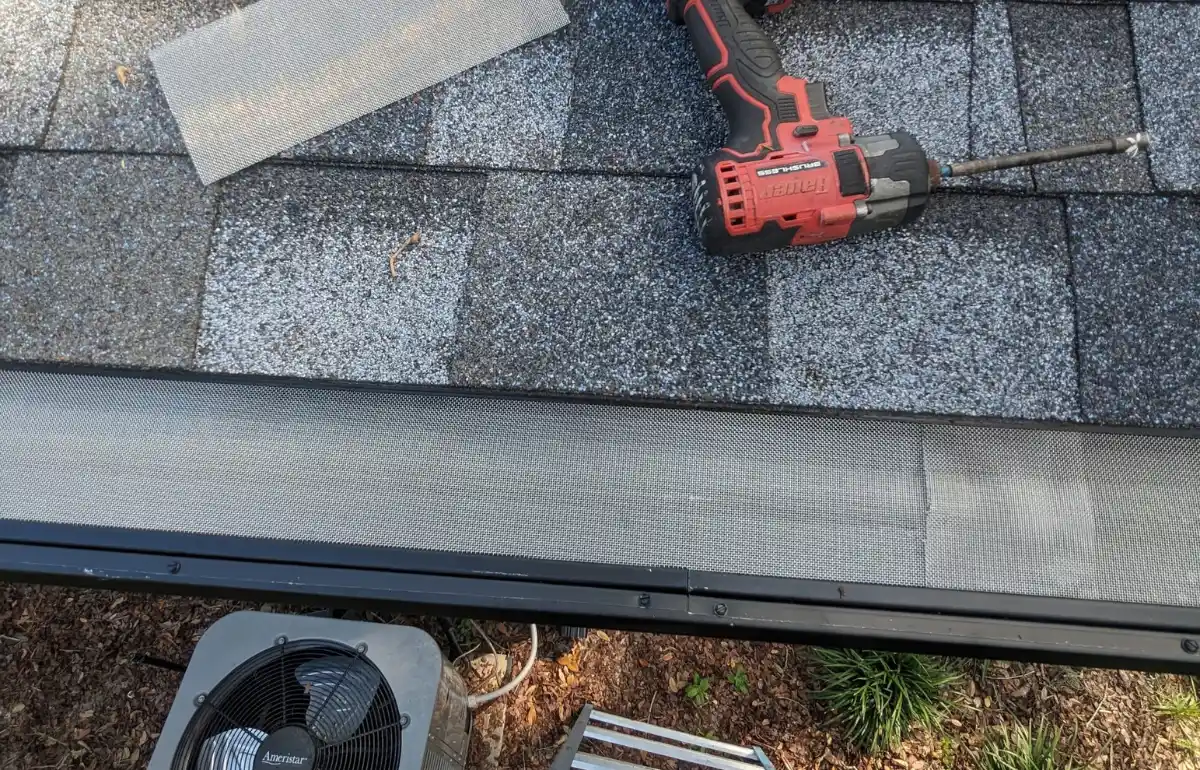
Cleaning Methods for Gutter Guards
Cleaning methods for gutter guards vary depending on the type of guard installed. Many homeowners find it effective to use a hose for routine maintenance. A garden hose with a spray nozzle can deliver high-pressure water to dislodge debris trapped on the surface of the guards. This method is particularly useful for lightweight particles such as leaves or dirt. For stubborn clogs, using a stiff brush or a specially designed gutter cleaning tool can help. It is essential to ensure the guards remain clear of larger debris that may contribute to blockages.
Gutter Guard Maintenance should not be overlooked, even when guards are in place. Schedule regular inspections to catch any buildup early, preventing more extensive clogs and water damage. Ensure that you check the area beneath the guards as well, as dirt and debris can accumulate over time. A little proactive maintenance can extend the life of the gutter guards and improve their effectiveness in protecting your home from water damage.
Using a Hose to Clean Guards
Using a hose is an effective method for cleaning gutter guards without needing to remove them. Start by positioning the hose at one end of the gutter system. Turn on the water and adjust the nozzle to create a strong stream, directing it toward the opening of the guard. This action helps dislodge any debris that may be trapped, allowing it to wash away smoothly. Be sure to check the entire length of the gutter guard to ensure that all clogs are dealt with adequately.
Maintaining gutter guards requires regular attention to prevent build-up over time. After initially flushing the guards, inspect them closely for any remaining blockages. If stubborn clogs persist, additional techniques may be necessary. It’s crucial to incorporate gutter guard maintenance into your home maintenance routine, ensuring that the drainage system functions properly and remains free of debris throughout the seasons.
Dealing with Stubborn Clogs
Stubborn clogs can be a challenge, even with gutter guards in place. When debris accumulates beyond the guard, it may obstruct water flow. Begin by removing the guard if accessible to inspect the clog directly. Use a trowel or small shovel to extract the debris without damaging the guard or the underlying system. This step is crucial for effective gutter guard maintenance since it ensures the guards are not only functioning as intended but also prevents potential water damage to your home.
If the clog remains stubborn, a garden hose can help dislodge debris effectively. Insert the hose into the downspout to push water through, which can break up the obstruction. If you encounter a significant blockage, employing a plumber's snake may be necessary to clear the pipe. After addressing the clog, check the gutter guards for any damage, ensuring that they are securely in place for ongoing gutter guard maintenance. Regular inspection will help you keep your gutters in optimal condition and protect your home from water-related issues.
Best Practices for Accessing Hard-to-Reach Areas
Accessing hard-to-reach areas while cleaning gutters with gutter guards can be challenging. Utilizing an extension ladder is crucial for stability and safety. Before climbing, ensure the ladder is positioned on level ground and secured properly. If the roof is accessible, consider using a roof rake to reach sections that are difficult to maintain. Always wear appropriate safety gear and keep tools within reach to minimize the need to reposition the ladder frequently.
In addition to using the right tools, planning your approach is essential for effective gutter guard maintenance. Start from the topmost point of the system and work your way down. This ensures that any debris dislodged will fall into the lower sections, making it easier to clear away as you go. When reaching areas that are particularly challenging, consider enlisting help to hold the ladder or assist with debris removal. This collaborative effort can streamline the cleaning process while also ensuring safety during maintenance tasks.
Maintenance Tips for Gutter Guards
Regular upkeep is essential for the effectiveness of gutter guards. Gutter Guard Maintenance should include inspecting the guards periodically for any signs of wear or damage. Examine the areas where leaves and debris may accumulate, as even with guards, blockages can form. Remove any visible debris to ensure proper functioning. This proactive approach can help prevent water overflow and damage to the home’s foundation.
In addition to inspections, establishing a cleaning schedule is vital. Aim to clean gutters with guards at least twice a year. This routine keeps the system clear and extends the life of the guards. Keeping an eye on nearby trees can also inform you of when extra care may be needed, especially during heavy leaf fall seasons. By staying ahead of maintenance challenges, homeowners can ensure their gutter guards perform effectively.
Schedule Regular Inspections and Cleanings
Regular inspections play a crucial role in the longevity and effectiveness of gutter guards. Homeowners should set a schedule to check their gutters at least twice a year, typically in the spring and fall. This proactive approach helps identify any potential issues before they escalate, ensuring that the gutter guards function as intended. During these inspections, look for visible debris buildup, signs of wear and tear, or any sections that may have become loose or damaged over time.
In addition to inspections, routine cleaning helps maintain optimal performance. Even with gutter guards in place, some accumulation of leaves and other detritus can occur. Gutter Guard Maintenance involves ensuring that these guards are not obstructed and can effectively channel water away from the home. By combining periodic inspections with systematic cleaning, homeowners can enhance their gutter system's efficiency and protect their property from water damage.
FAQS
What are gutter guards, and why are they important?
Gutter guards are protective covers installed over gutters to prevent debris, such as leaves and twigs, from blocking the flow of water. They are important because they reduce the frequency of gutter cleaning and help prevent water damage to your home.
Can I clean my gutters if they have gutter guards?
Yes, you can clean your gutters even if they have gutter guards. You may need to use specific cleaning methods, such as using a hose or manual removal of stubborn debris, to ensure they function properly.
How often should I clean gutters with gutter guards?
It is generally recommended to inspect and clean gutters with gutter guards at least twice a year, ideally in the spring and fall. However, the frequency may vary depending on the amount of surrounding foliage and local weather conditions.
What should I do if I encounter stubborn clogs in my gutter guards?
For stubborn clogs, you can use a hose to flush out debris or manually remove the guard to clear the blockage. If the clog persists, you may need to consider professional cleaning services.
Are there any maintenance tips for keeping gutter guards effective?
Yes, schedule regular inspections and cleanings of your gutter guards to ensure they remain clear and functional. Additionally, trim back any nearby trees or branches to minimize debris accumulation.