Can a leaky gutter be repaired?
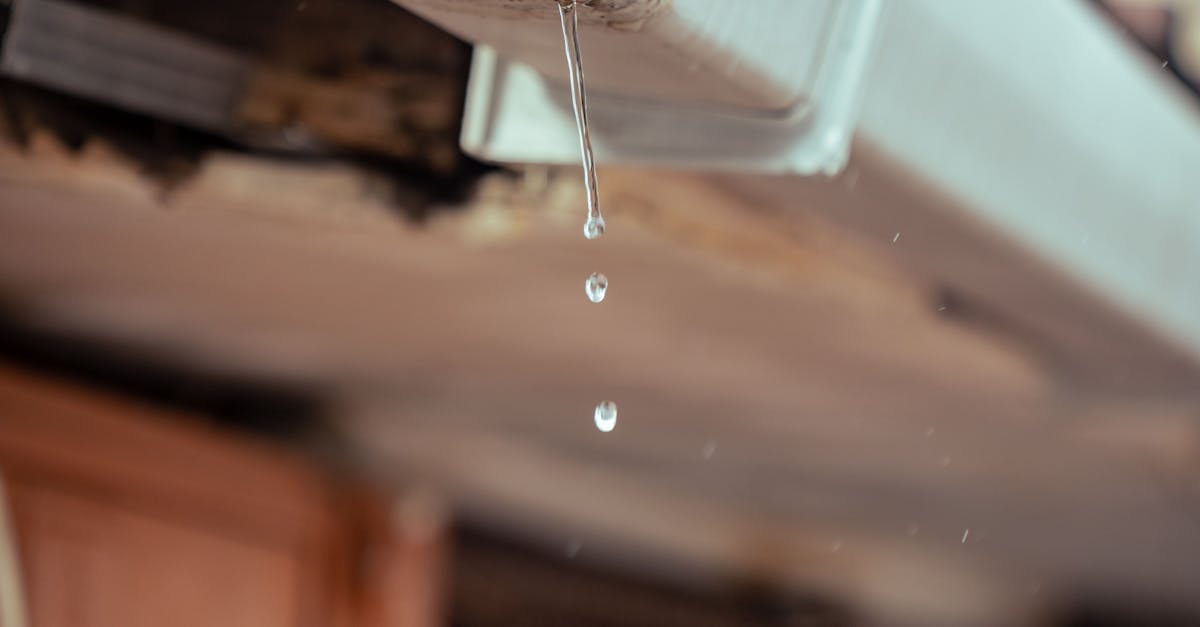
Step-by-Step Guide to Repairing Leaky Gutters
To begin the process of gutter repair, ensure safety by using a sturdy ladder and wearing appropriate gear. Locate the source of the leak by inspecting the gutter system closely. Check for visible cracks or holes. Buildup of debris could also be a contributing factor, so clear out leaves and other materials. If a hole is found, clean the area around it before applying a patch. This provides a solid base for any adhesives or sealants used in the repair.
Once the area is prepared, use a waterproof sealant to fill any gaps or cracks. For larger holes, a patch made from a metal or plastic piece can be glued over the damaged area. Ensure the patch is securely attached. After the sealant has dried according to the manufacturer's instructions, conduct a water test by running water through the gutters. This will help to confirm that the leak is properly sealed. Regular maintenance will extend the lifespan of your gutters and minimize the need for extensive gutter repair in the future.
Effective Techniques for Common Repairs
When addressing a leaky gutter, start by identifying the source of the leak. Frequently, the issue lies in joints or seams. Applying a quality gutter sealant can effectively close these gaps. Clean the area thoroughly before application to ensure a strong bond. Alternatively, if the damage is significant, consider using a patch made of roofing material, ensuring it is securely adhered to the leaking section.
Another common repair technique involves replacing damaged sections of the gutter. Measure the length of the affected area, then cut a new piece to fit. Secure it with screws or brackets, ensuring a tight seal at the joints. Regular inspection and timely gutter repair not only help to maintain water flow but also prevent more extensive damage to your home and landscape.
When to Replace Your Gutters
Determining when to replace your gutters involves assessing their condition and functionality. If you notice extensive rust, cracks, or denting, these could indicate that the gutters are beyond simple gutter repair. Additionally, if water continues to overflow despite regular cleaning, this is a sign that the system is not effectively directing water away from your home's foundation. Such issues can lead to more significant problems, including foundation damage or landscape erosion.
Another factor to consider is the age of your gutters. Many materials, such as aluminum or vinyl, can last up to 20 years with proper maintenance. If your gutters are approaching or have exceeded this lifespan, it may be more cost-effective to invest in new gutters rather than pursuing repeated gutter repair. Frequent repairs can add up over time, and replacing them may provide a more reliable long-term solution. Evaluating both the current state and the historical performance of your gutters will help you make an informed decision.
Factors to Consider
When evaluating whether to repair or replace gutters, age is a significant factor. Gutters that are over 20 years old may have undergone considerable wear and tear. Materials like aluminum can corrode or get damaged over time, impacting their effectiveness in redirecting water. Assessing the current condition of the gutters can determine if minor repairs through gutter repair methods are sufficient or if a full replacement is necessary.
Another critical consideration is the extent of the damage. Small leaks or minor separations may be easily addressed with gutter repair techniques. However, if the gutters are heavily sagging or if there are multiple leaks, it might indicate underlying issues that necessitate a complete replacement. Careful inspection should reveal if patching up the current system is feasible or whether investing in new gutters would provide a more durable solution in the long run.
Preventive Measures for Gutter Maintenance
Regular maintenance can significantly extend the life of your gutters. Routine checks should include inspecting for debris buildup, which can cause blockages and lead to overflow. Cleaning out leaves, twigs, and dirt prevents water from pooling, reducing the risk of leaks. Observing the condition of seams and joints is essential. Small cracks can develop over time, leading to more significant issues if not addressed promptly.
Seasonal inspections are advisable to catch problems early. It’s essential to ensure that downspouts are clear and directing water away from your home’s foundation. If you notice any signs of wear, addressing them can avoid costly gutter repair in the future. Properly maintaining your gutters prevents moisture damage to your home’s structure and safeguards landscaping. Regular upkeep is a small investment that pays off by avoiding extensive repairs down the line.
Routine Checks and Cleaning
Regular routine checks are essential for maintaining gutters and preventing leaks. Inspecting gutters at least twice a year allows homeowners to identify issues such as clogs, corrosion, or misalignment. During these inspections, look for debris accumulation, as leaves and twigs can block water flow and lead to overflow. Pay attention to the seams and joints, as these are common spots where leaks develop. Addressing minor issues early can save time and money on gutter repair later.
Cleaning gutters not only enhances their performance but also prolongs their lifespan. A thorough cleaning involves removing all debris and ensuring that downspouts are clear. Use a sturdy ladder and, if necessary, wear a pair of gloves to protect your hands. Consider using a garden hose to flush out any remaining dirt and check for proper drainage. Regular maintenance can significantly reduce the risk of costly gutter repair by keeping the system functional and free of obstructive materials.
FAQS
What are the common causes of leaky gutters?
Common causes of leaky gutters include cracks or holes in the gutter material, loose joints, improper pitch, and debris buildup that prevents proper water flow.
Can I repair my leaky gutters myself?
Yes, many minor repairs can be done by homeowners using simple tools and materials. However, for extensive damage or safety concerns, it may be best to consult a professional.
How do I know if my gutters need to be replaced instead of repaired?
If you notice extensive rust, holes, or severe sagging in your gutters, it may be more cost-effective to replace them rather than attempt repairs.
What preventive measures can I take to maintain my gutters?
Routine checks, regular cleaning to remove debris, ensuring proper pitch, and inspecting for signs of wear and tear are effective preventive measures.
How often should I clean my gutters?
It’s recommended to clean your gutters at least twice a year, ideally in the spring and fall, or more frequently if you have overhanging trees or heavy rainfall in your area.